
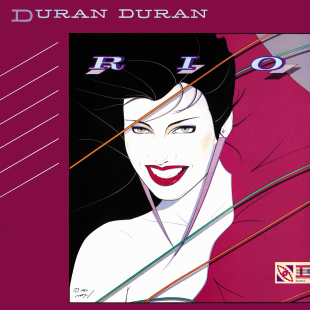
Duran Duran in the 80s: The Video Kings of the New Romantic Era
Exotic locations, glamorous yachts, sharp suits, and a frontman rising in slow motion out of a jungle river as the rain poured down. Other bands made music videos. Duran Duran made mini-movies, and in doing so, they turned MTV into their personal playground and became the biggest teen idols of the decade. If the 80s had a house band for pure style, this was it.
Duran Duran is the English New Romantic band whose sleek sound and cinematic music videos made them 80s superstars, behind hits like “Hungry Like the Wolf,” “Rio,” and “The Reflex.” They were pioneers of the video age and the ultimate stylish pop group.
Rio and the birth of a sensation
Duran Duran broke through globally with their 1982 album Rio and its unstoppable singles. “Hungry Like the Wolf” climbed to No. 3 on the Billboard Hot 100 and made them an international sensation, while the title track “Rio” and “Save a Prayer” cemented their sound, a slick, danceable blend of new wave, funk, and glossy pop. Fronted by Simon Le Bon with Nick Rhodes on keyboards and the three unrelated Taylors (John, Roger, and Andy), they had the looks, the hooks, and the timing to ride the new MTV era straight to the top.
The videos that changed the game
Here’s what set Duran Duran apart: they understood before almost anyone that in the MTV age, the video was the message. The band and their label poured real money and ambition into their clips, famously spending a fortune to fly to Sri Lanka to shoot lavish, exotic videos for “Hungry Like the Wolf” and “Save a Prayer.” The imagery was cinematic, glamorous, and unlike anything on TV. Those videos didn’t just promote the songs; they made Duran Duran look like international jet-setters and turned them into the most-watched band on the channel. They basically wrote the playbook for how to become a star through music video.
Riding the Second British Invasion
Duran Duran were at the very front of the “Second British Invasion”, the wave of stylish UK acts that conquered American MTV in the early-to-mid 80s. They kept the hits coming with “The Reflex” (a 1984 No. 1), “The Wild Boys,” and even a James Bond theme, “A View to a Kill” (1985), which also topped the chart. For a stretch, they were as big as pop got, complete with screaming fans and full-blown teen-idol mania.
Remember when your bedroom wall was papered with Duran Duran posters torn from magazines, and everyone had a favorite member? The band turned pop stardom into a full sensory experience, the sound, the style, the videos, the fashion, and a generation of fans was completely swept up in it.
Why Duran Duran endures
Duran Duran’s 80s peak made them one of the defining acts of the decade, not just for their catchy, sophisticated pop but for how completely they mastered the new visual language of music. They proved that image and substance could go hand in hand, and their best songs still sound effortlessly cool. The band that treated the music video as an art form remains one of the most stylish and influential acts the 80s ever produced.
The honest bottom line
The critics of 1983 treated Duran Duran as disposable pretty boys, and if we are honest, the band gave them some ammunition: the lyrics frequently mean nothing and the yachts did not help. Here is the thing though. Rio still sounds fantastic forty years on, and half the serious rock of that year does not. Turns out the critics were reviewing the haircuts. The bass lines were doing serious work the whole time. Tears for Fears hid the same depth under different haircuts, and it took both bands decades to get the critical apology tour.
FAQ
What are Duran Duran’s biggest 80s hits?
“Hungry Like the Wolf,” “Rio,” “The Reflex,” “Save a Prayer,” “The Wild Boys,” and the Bond theme “A View to a Kill.”
Why were Duran Duran’s music videos so important?
They were among the first to treat videos as cinematic mini-movies, shooting lavish, exotic clips that made them MTV superstars and defined the visual style of the era.
What is the “New Romantic” movement?
A stylish early-80s British scene, blending new wave music with glamorous fashion, of which Duran Duran were the biggest stars.
Who is the lead singer of Duran Duran?
Simon Le Bon, alongside keyboardist Nick Rhodes and the three unrelated Taylors, John, Roger, and Andy.
Did Duran Duran record a James Bond theme?
Yes: “A View to a Kill” (1985), which became a No. 1 hit and remains one of the most successful Bond themes.
What was the “Second British Invasion”?
The wave of British acts, led by bands like Duran Duran, that dominated American MTV and charts in the early-to-mid 1980s.
Their videos were wallpaper on the MTV feed we grew up inside. Duran Duran ruled the video age, explore more of the decade in our 80s pop culture guide, or meet the sneering Billy Idol next.