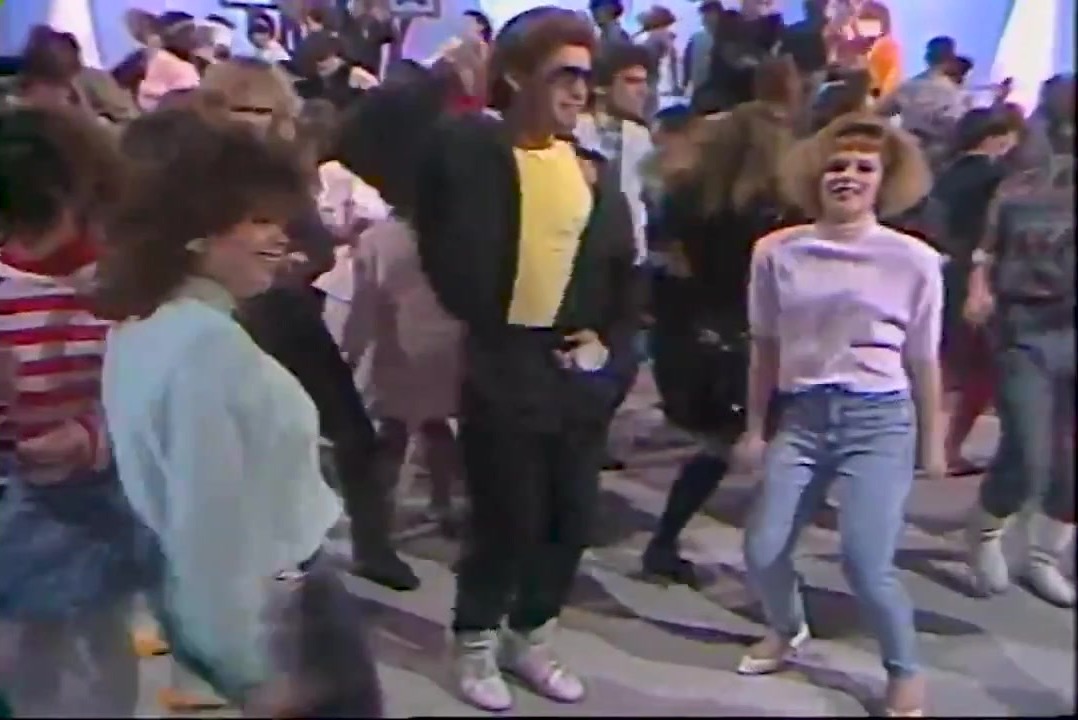
Most TV shows are made by the people you never see. Dance Party USA was the opposite — the whole show was the people you saw. No script, no professional choreography, no Hollywood cast. Just a floor full of real teenagers, and the ones who came back every day became something the tri-state area had never quite seen before: famous kids from down the block.
The Dance Party USA dancers were regular teens, not professional performers — the show deliberately used everyday kids instead of trained dancers, actors, or writers, and its most consistent regulars became genuine local celebrities across the Philadelphia and tri-state area. That authenticity was the entire point. You didn’t watch polished pros; you watched kids who looked exactly like your friends, and you picked favorites.
Real kids, not a cast
Here’s the thing that separated Dance Party USA from a slick network production: it had no cast in the traditional sense. The show didn’t hire actors, writers, or professional dancers. It filled the studio with ordinary teenagers and let them dance to the hits, and that unforced realness is exactly why it worked. The awkwardness, the confidence, the invented moves — all of it was real, because the kids were real.
That’s also why the regulars mattered so much. When there’s no script, the personalities are the show.
The regulars and their nicknames
The standout dancers earned on-camera nicknames and loyal followings — the kind of shorthand fame that meant viewers tuned in to see specific people. Names like Heather “Princess” Day, Alvin “Spicy” Ramirez, Tyrone “Mr. Mitch” Mitchell, and Romeo King became familiar to daily viewers, while fan favorite Heather Henderson was known to everyone simply as “Baby Heather.” These weren’t stage names handed out by producers — they were identities the audience latched onto.
Among those regulars were two Jersey kids named Bobby Catalano and Jason Pascoe. Bobby came up through the floor and rose to host the show from 1989 to 1991; Jason danced right alongside him. Decades later, the two turned those years into Bobby and Jason’s Awesome 80s Podcast — you can read Bobby’s full story here and Jason’s here.
Remember when being a Dance Party USA regular meant getting recognized at the mall in your own hometown? For the tri-state kids who watched, the dancers on that floor were the coolest people around — and they were reachable, local, real.
Local fame, real memories
The regulars got fan mail. They got stopped in public. In a region where the show was a genuine phenomenon, being one of its dancers was a real kind of stardom — smaller than Hollywood, but somehow more personal, because the fans were neighbors. That’s the magic Dance Party USA bottled: it made celebrities out of the kid next door, and it gave a whole generation the feeling that TV was something you could actually be part of.
And if the regulars are who you came for, WatchParty USA’s regulars archive keeps show-era profiles of the whole crew.
FAQ
Were the Dance Party USA dancers professionals?
No. The show deliberately used regular teenagers rather than professional dancers, actors, or writers — that everyday authenticity was central to its appeal.
How did dancers become regulars on the show?
Consistent dancers who kept coming back and connected with the audience became regulars, earning on-camera nicknames and their own followings among daily viewers.
Who were some famous Dance Party USA regulars?
Regulars included Heather “Princess” Day, Alvin “Spicy” Ramirez, Tyrone “Mr. Mitch” Mitchell, Romeo King, and “Baby Heather” Henderson, plus Bobby Catalano, who rose from regular to host.
Did the dancers become local celebrities?
Yes. In the Philadelphia and tri-state area where the show was hugely popular, the regular dancers were recognized in public and received fan mail — real, if regional, stardom.
Are any Dance Party USA dancers still active today?
Several stay connected to the show’s legacy. Former regulars Bobby Catalano and Jason Pascoe now co-host an 80s nostalgia podcast built on their years on the show.
The dancers made the show — now hear it from two of them in our Bobby Catalano profile, or go back to what Dance Party USA was.