
Cyndi Lauper in the 80s: The Colorful Voice That Defined an Era
Orange hair, thrift-store dresses, a laugh you could hear from across a room, and a voice that could swing from a joyful yelp to a heartbreaking ache in the space of one song. Cyndi Lauper burst onto MTV in 1983 looking and sounding like nobody else, and she gave the decade two of its most enduring anthems, one for dancing, one for crying.
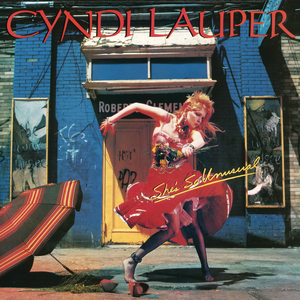
Cyndi Lauper is the singer whose 1983 debut She’s So Unusual made her an 80s icon, powered by the joyful anthem “Girls Just Want to Have Fun” and the tender ballad “Time After Time.” She was quirky, kind-hearted, and blessed with one of the most distinctive voices of the era.
An unusual debut that changed everything
Lauper’s solo debut, She’s So Unusual (1983), was a firework. It spun off a remarkable string of singles, “Girls Just Want to Have Fun,” “Time After Time,” “She Bop,” and “All Through the Night”, whose sound and style helped define the early 80s. The album made her a star and, in 1985, earned her the Grammy for Best New Artist. Few debuts have arrived so fully formed or so instantly beloved.
Two sides of one artist
What made Lauper special was her range, not just vocal, but emotional. “Girls Just Want to Have Fun” became a joyful, defiant anthem of female independence, complete with an MTV Video Music Award–winning video that packed the screen with color and personality. Then, in the very same breath, she’d turn around and deliver “Time After Time,” a tender, aching ballad that revealed a completely different, deeply vulnerable side. That she could be both the life of the party and the friend who understands your heartbreak is exactly why she connected so deeply.
The anthem she made her own
Here’s a great piece of trivia: “Girls Just Want to Have Fun” wasn’t originally Lauper’s, and it wasn’t originally about female empowerment. It was written back in 1979 by a male songwriter named Robert Hazard, from a very different point of view. Lauper reworked the lyrics and reframed the whole song, transforming it into a feminist anthem sung by women, for women. In her hands, a throwaway tune became a rallying cry, proof that a great performer doesn’t just sing a song, she can completely rewrite what it means.
Remember when that video played and Cyndi’s whole colorful, chaotic, joyful world spilled out of the screen, the hair, the vintage clothes, the dancing in the streets? She made being a weird, exuberant individual look like the most fun thing in the world, and a generation of kids felt seen.
Why Cyndi Lauper endures
Lauper’s 80s peak gave the decade some of its most beloved songs and one of its most original personas. Her follow-up True Colors (1986) delivered another timeless title track that’s since become an anthem of acceptance. And her talent kept opening new doors well beyond the 80s, including a celebrated turn writing for Broadway. But it’s those early songs, one for the dance floor, one for the tears, that guarantee Cyndi Lauper a permanent place in the soundtrack of the 1980s.
The honest bottom line
The thrift-store image worked so well that it worked against her. Casual listeners filed Cyndi under quirky and moved on, and the decade never quite gave her a second act the size of the first. But that voice was one of the two or three best instruments in 80s pop, and “Time After Time” is a perfect song. Not near perfect. Perfect. The kooky hair just made it easy to miss. The decade kept comparing her to Madonna, and the comparison was always wrong: one was a strategist, the other was a singer. Different games entirely.
FAQ
What are Cyndi Lauper’s biggest 80s hits?
“Girls Just Want to Have Fun,” “Time After Time,” “She Bop,” “All Through the Night,” and “True Colors.”
Did Cyndi Lauper write “Girls Just Want to Have Fun”?
No: it was written by Robert Hazard in 1979, but Lauper reworked the lyrics and reframed it into a feminist anthem, making it her own.
Did Cyndi Lauper win a Grammy?
Yes: she won the Grammy for Best New Artist in 1985 following the success of She’s So Unusual.
What made Cyndi Lauper’s style so distinctive?
Her wild, colorful thrift-store fashion, bright dyed hair, and one-of-a-kind voice made her instantly recognizable and hugely influential on MTV.
What is “Time After Time” about?
It’s a tender ballad about love, longing, and reassurance, the emotional counterweight to her upbeat anthems, and one of her most covered songs.
Did Cyndi Lauper find success beyond 80s music?
Yes: she remained a respected performer and songwriter for decades, including an acclaimed, award-winning turn writing the music for a hit Broadway show.
Cyndi ruled the exact years we spent in front of the cameras. Cyndi Lauper brought color and heart, explore more of the decade in our 80s pop culture guide, or meet fellow original Boy George next.